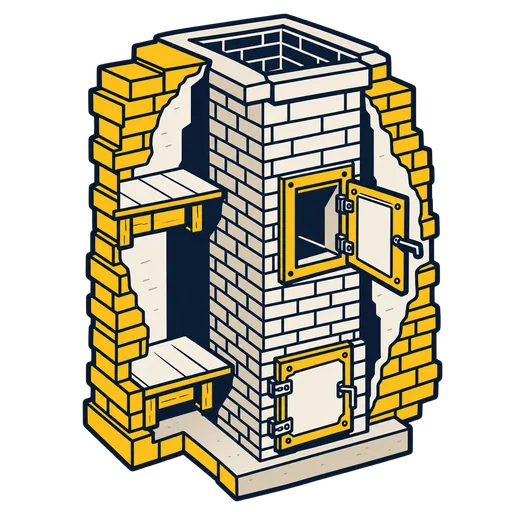
Why older chutes are different

Brick and mortar are porous and rough. Grease and residue settle into the surface instead of sliding off, and older chutes have more joints, ledges and doors to work around. That takes more time, the right equipment and a crew that knows these buildings.

That’s also why pre-war chutes are quoted differently from post-war metal ones. Marshall prices each building on its own after hearing about it.

From incinerator to compactor

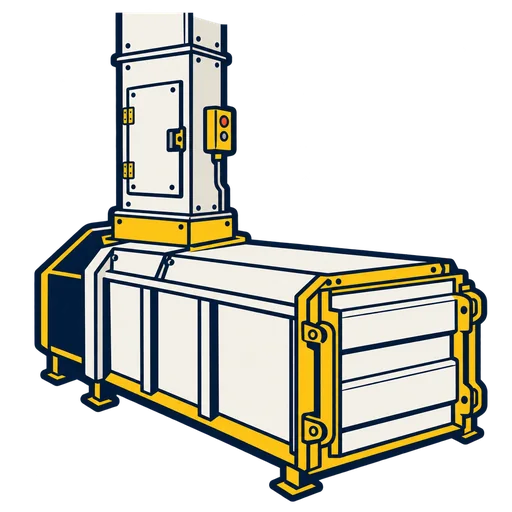
Many of the city’s older apartment buildings were built with incinerators at the bottom of the chute. When the incinerators were retired, the chutes stayed and now feed a compactor or a trash room. Those chutes have decades of history on their walls, and they deserve more than a quick spray.

Is an old incinerator flue allowed as a chute?

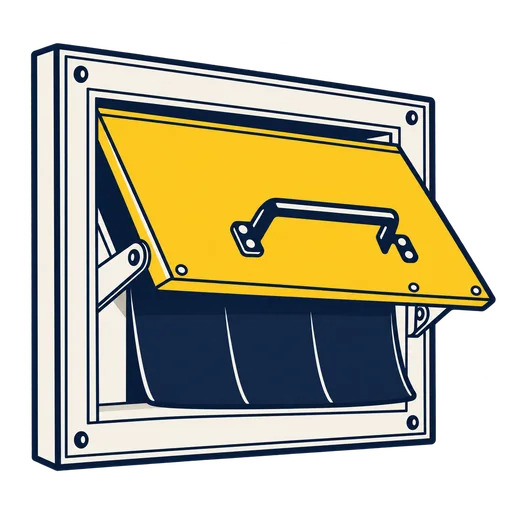
Yes, with conditions. NYC’s Buildings rule 1 RCNY §24-01 expressly allows existing incinerator flues to be used as refuse chutes when they’re in good condition and meet its requirements, including self-closing hoppers on every floor. Keeping the flue clean is part of keeping it in good condition.
FAQ

Pre-war & incinerator chutes: common questions

What is an incinerator chute?

An incinerator chute is a trash chute that once fed a building’s own incinerator. New York apartment buildings burned trash on site for decades; many still use the old masonry flue as their chute, now ending at a compactor. NYC’s chute rule expressly allows existing incinerator flues to be used as refuse chutes.

Source: NYC Buildings rule 1 RCNY §24-01

When did NYC buildings stop using incinerators?

In stages. Larger apartment buildings built after May 20, 1968 had to have compactor systems instead, and most building incinerators were shut down in the early 1970s. Later laws required the remaining refuse-burning equipment to be stopped and sealed. That’s why so many older buildings have a chute but no incinerator.

Source: NYC Admin Code §24-119

Can you clean old brick or incinerator chutes?

Yes. Pre-war buildings often have brick or masonry chutes, many of them flues that once fed the building’s incinerator. Rough masonry holds grease and residue in its surface and joints, so it needs more degreaser, more passes and a closer look than a smooth metal chute. Marshall has cleaned both since 1994.

Do trash chutes attract roaches and rats?

They can. A chute and compactor that aren’t cleaned give pests food, moisture and a path through every floor of the building. Regular cleaning, bagged trash and a pest program cut pest pressure. In NYC, owners must treat chutes and refuse rooms as often as needed and keep records of the treatments.

Source: NYC Buildings rule 1 RCNY §24-01

How much does trash chute cleaning cost?

Every building is quoted on its own. The price depends on the number of floors and chutes, whether the chute is pre-war masonry or post-war metal, how long since the last cleaning, access and scheduling, and add-ons like graffiti. Call (646) 391-7620 or send the address and Marshall will price it the same day.

Call and Marshall picks up.

Tell him the address, the floors and what’s going on with the chute. You’ll get a straight answer and a quote for your building.