Manhattan · The Tri-State Chute Experts
Trash chute cleaning in Manhattan
Chute Cleaning Division cleans trash, compactor and incinerator chutes in Manhattan high-rises, pre-war co-ops and large complexes. We’ve worked for Silverstein Properties and have cleaned chutes across the city since 1994.
- Upper East Side
- Upper West Side
- Midtown
- Lower Manhattan
- Washington Heights
- Harlem

The buildings
Manhattan buildings and their chutes
Manhattan has the city’s tallest chutes and some of its oldest. Pre-war co-ops often use converted incinerator flues, which NYC’s chute rule allows, while high-rises run long metal chutes with heavy daily traffic.
Silverstein Properties is on our client list.
 Call and Marshall picks up.(646) 391-7620
Good to know
Stuyvesant Town–Peter Cooper Village has 11,250 apartments at 110 addresses, built between 1945 and 1947.
StuyTownNYC’s Buildings rule 1 RCNY §24-01 expressly allows existing incinerator flues to be used as refuse chutes, which is why so many pre-war co-ops still use them.
NYC Department of Buildings
Services in Manhattan
Every chute in the building
-
Trash & compactor chutes
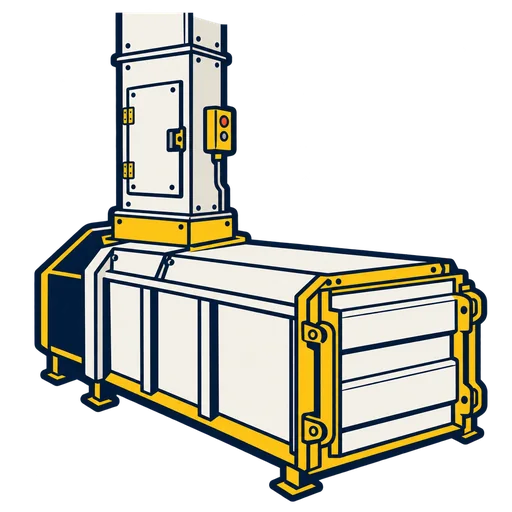
Top-to-bottom degreasing, sanitizing and deodorizing of the chute, every intake door and the compactor room. Learn more -
Pre-war & incinerator chutes
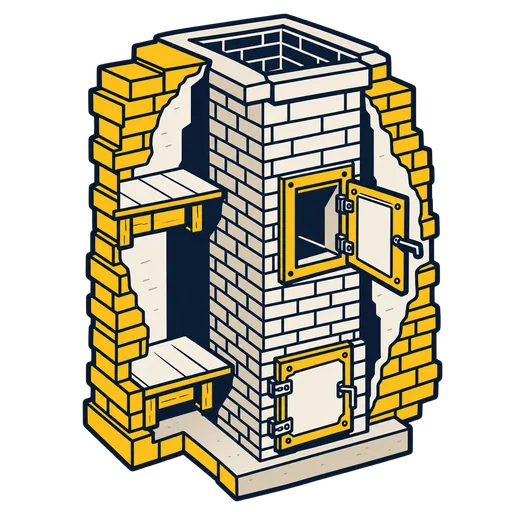
Brick and masonry chutes in older buildings, including old incinerator flues, cleaned by a crew that has worked them since 1994. Learn more -
Baffles & chute doors
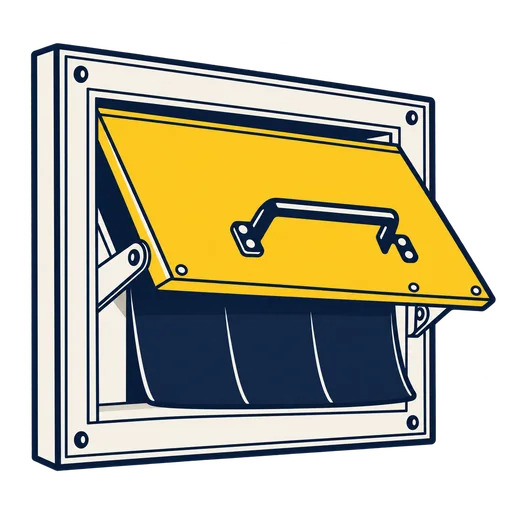
The vinyl baffle along the bottom of each intake door keeps smoke and odor in the chute and out of the hallway. Most companies skip it. We don’t. Learn more -
Laundry & linen chutes
Linen chutes for hotels and hospitals, cleaned and sanitized on a schedule that works around your operation. Learn more -
Chute safety check
Included with every cleaning: we check that intake doors close and latch and that sprinkler heads are clear, and photograph anything that needs attention. Learn more -
Graffiti removal
Graffiti cleaned off building exteriors for the same buildings whose chutes we keep clean. Learn more
FAQ
Chute cleaning in Manhattan: questions
Can you clean the chute in a pre-war Manhattan co-op?
Yes. Many pre-war co-ops still use the old incinerator flue as their chute. Masonry holds grease in its surface and joints, so it takes more passes and a closer look than metal. We schedule around the building and its shareholders, and quote each building on its own.
How often should a trash chute be cleaned?
It depends on the building. We recommend cleaning quarterly for hospitals, hotels and heavy-use buildings, twice a year for most apartment buildings, and at least once a year for everything else. NYC rules don’t set a frequency, but they do require chutes to be kept clean, sanitary and free of vermin and odors.
Source: NYC Buildings rule 1 RCNY §24-01
How much does trash chute cleaning cost?
Every building is quoted on its own. The price depends on the number of floors and chutes, whether the chute is pre-war masonry or post-war metal, how long since the last cleaning, access and scheduling, and add-ons like graffiti. Call (646) 391-7620 or send the address and Marshall will price it the same day.
Are you insured?
Yes. Chute Cleaning Division is insured in partnership with Select Exterminating, and we can send a certificate of insurance for your building or management company on request.
Nearby areas we serve
Got it. Thank you.
Marshall will call you back the same day to talk through your building.
Need him sooner? Call (646) 391-7620.