How often should a trash chute be cleaned?
It depends on the building. We recommend cleaning quarterly for hospitals, hotels and heavy-use buildings, twice a year for most apartment buildings, and at least once a year for everything else. NYC rules don’t set a frequency, but they do require chutes to be kept clean, sanitary and free of vermin and odors.
Source: NYC Buildings rule 1 RCNY §24-01
Why does the trash chute in my building smell?
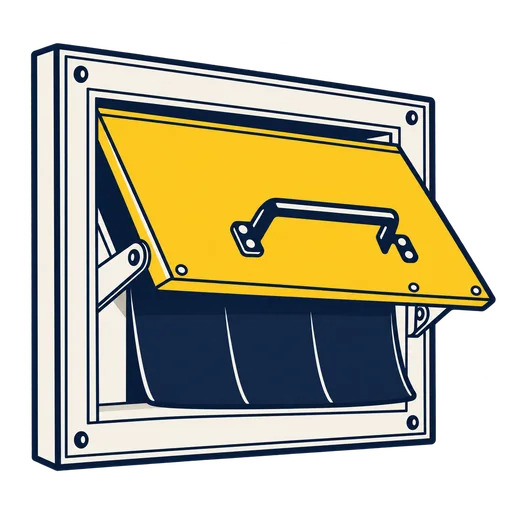
Because bags leak. Food, liquids and grease run down the walls of the chute and coat the intake doors and baffles, and that film rots, worst in warm months. Deodorizer only covers it. The fix is cutting the grease off the chute walls, doors and compactor area, then keeping a cleaning schedule.
Do trash chutes attract roaches and rats?
They can. A chute and compactor that aren’t cleaned give pests food, moisture and a path through every floor of the building. Regular cleaning, bagged trash and a pest program cut pest pressure. In NYC, owners must treat chutes and refuse rooms as often as needed and keep records of the treatments.
Source: NYC Buildings rule 1 RCNY §24-01
Is a compactor chute the same as a trash chute?
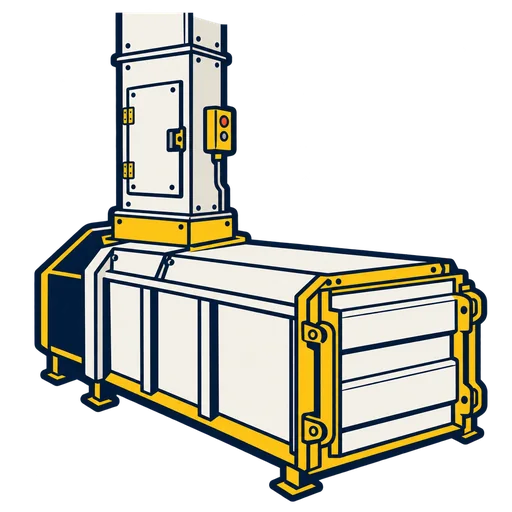
Yes. In most buildings the “compactor chute” is the trash chute, and the compactor is the machine at the bottom that presses the trash into bags or containers. A proper cleaning covers the chute and the compactor area, because grease and spillage build up where the two meet.
Do tenants have to stop using the chute while you clean?
Yes, while we’re working on it. Intake doors stay shut while the shaft is washed, so nobody drops trash on the crew or into wet chemicals. We schedule around your building and give you the timing in advance so the super can post a notice on every floor.
Who is responsible for cleaning a building’s trash chute?
The owner. NYC’s chute rule requires chutes, refuse rooms and hoppers to be kept clean, sanitary and free of vermin and odors, and makes the owner run a treatment program for them. In practice the super handles daily upkeep and a contractor does the deep cleaning. Tenants bag their trash and follow the chute rules.
Source: NYC Buildings rule 1 RCNY §24-01
How much does trash chute cleaning cost?
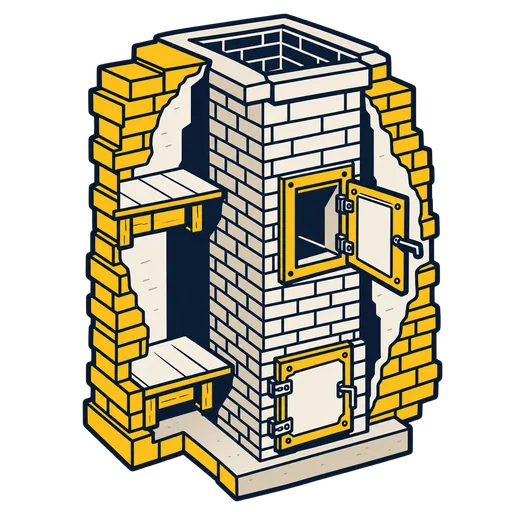
Every building is quoted on its own. The price depends on the number of floors and chutes, whether the chute is pre-war masonry or post-war metal, how long since the last cleaning, access and scheduling, and add-ons like graffiti. Call (646) 391-7620 or send the address and Marshall will price it the same day.